What to take on a sunset cruise?
A packing answer written for a bay that gets cold faster than visitors expect once the sun is down: what to take on a sunset cruise in San Diego.
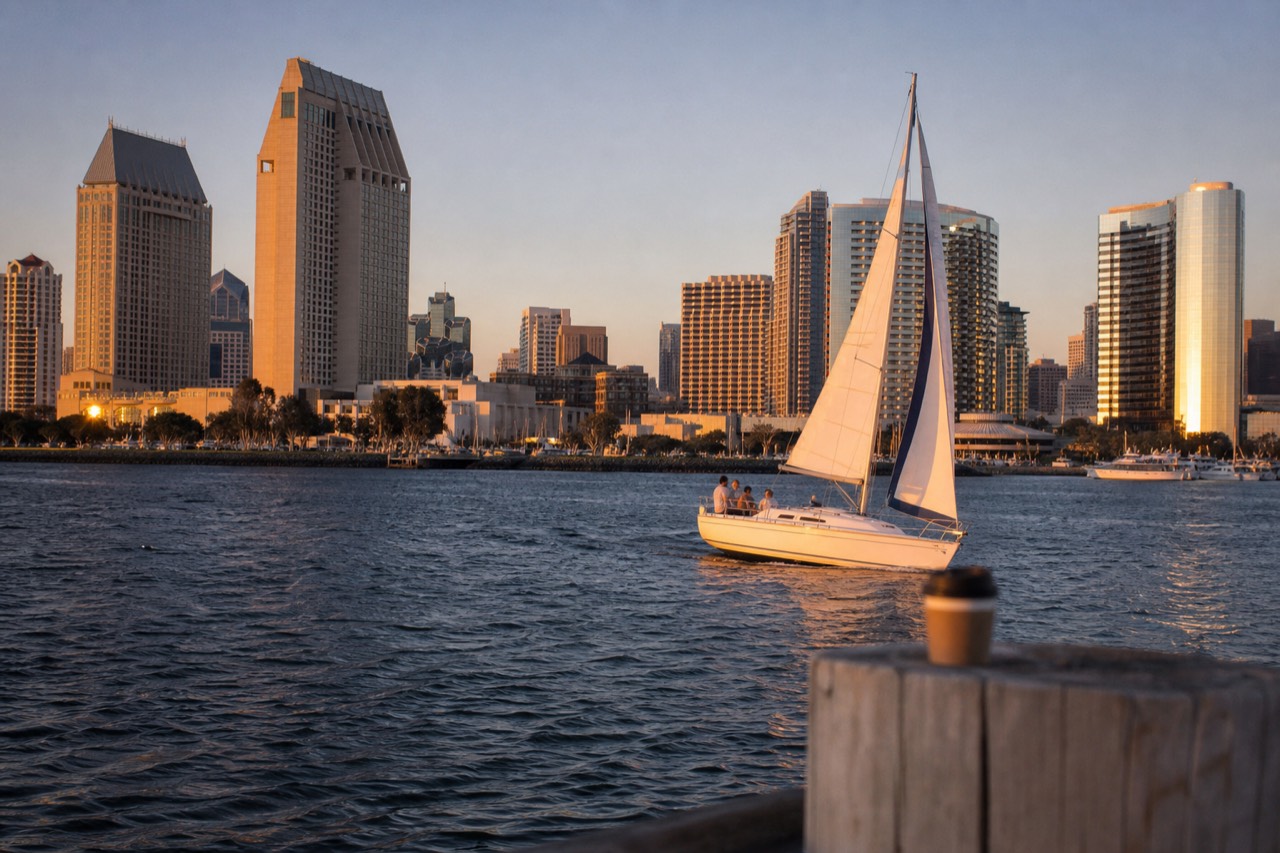
San Diego sells itself on a number: summer highs of roughly 74-76F. That is a land statistic, measured away from the water. Out on the bay the evening tells a different story, because the sun sets over Point Loma and the western horizon, and the moment it drops the temperature follows it down fast. Visitors in shorts and a tank top are the single most predictable sight on any sunset sailing departure in this city, followed closely by visitors borrowing jackets from the crew.
This is a packing answer written for that exact bay. It covers what to wear, what to bring, what to leave behind, and how the small details of San Diego's geography and marine layer change the usual sunset cruise packing advice you will read elsewhere. It is published by Dinner Cruises San Diego as part of a set of bay-specific guides, because generic packing lists written for tropical harbors do a genuine disservice to anyone boarding a boat here between November and June.
What to take on a sunset cruise?
Pack in layers with a real windproof outer layer, closed shoes with grip, photo ID for check-in and any alcohol service, sunscreen and sunglasses for the low-angle glare, a motion sickness remedy if you are prone, a light snack if no meal is included, and a small bag that leaves your hands free; leave behind personal alcohol, glass bottles, drones, and anything you would mourn if it went over the rail.
The layers point deserves its own sentence, because it is the one that catches people. A typical San Diego sunset sail runs 1 to 2.5 hours, which means you board in late afternoon warmth and spend the last half of the trip in post-sunset cool with wind on top. A t-shirt plus a fleece plus a windbreaker is a better kit than one heavy coat, because you can shed and add as the boat turns through the wind. The windbreaker matters more than the fleece: wind chill on a moving boat is what actually drives the discomfort, and a knit layer alone does nothing to block it.
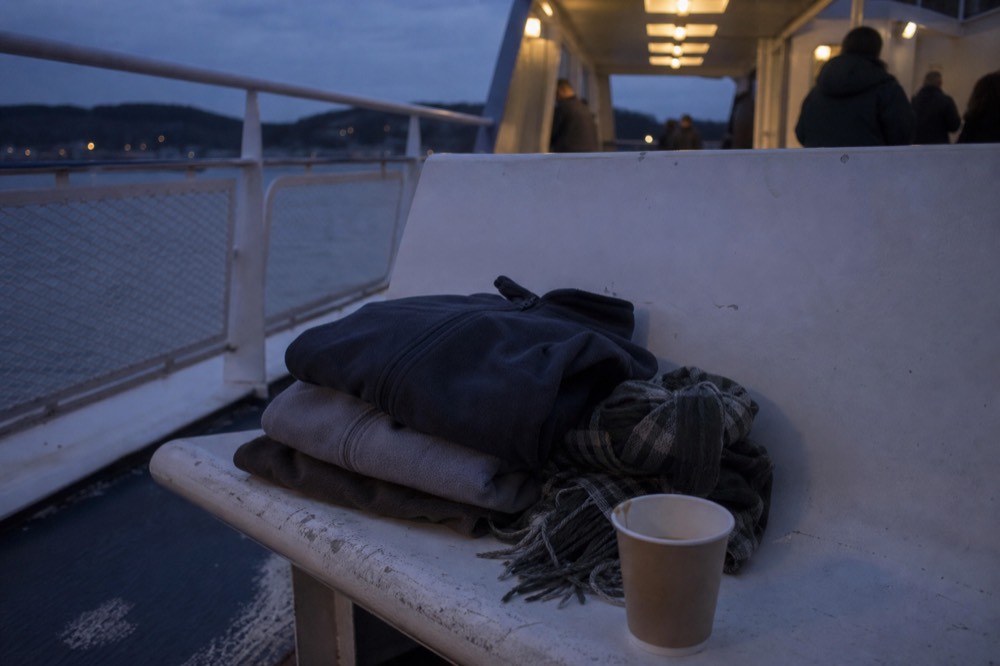
The rest of the list is mostly common sense sharpened by local facts. Here is the core kit in table form, with the reason each item earns its spot on San Diego Bay specifically.
| Item | Why it matters here |
|---|---|
| Windproof outer layer | The bay is breezy on water, and the temperature drops quickly after the sun sets behind Point Loma |
| Long sleeves or fleece as a mid layer | Lets you adjust as the boat turns through the wind over 1-2.5 hours |
| Flat shoes with grip | Decks can be damp and heels are a hazard on any moving vessel |
| Photo ID | Required for check-in, and California law requires you to be 21+ with ID for alcohol service |
| Sunscreen and sunglasses | Low-angle sun over the western horizon creates strong glare before sunset |
| Motion sickness remedy if prone | Conditions are usually mild, but the bay has swells and wake from other vessels |
| Small day bag or crossbody | Keeps hands free for railings and photos |
| Cash or card for onboard bar | Many sunset cruises include soft drinks but sell alcohol separately |
If you want a bay sunset with almost nothing to pack, the Mission Bay Sunset Cruise is the simplest version of the evening: it runs 1 hour 15 minutes from $47 per person (checked September 2026), includes landing and facility fees plus free parking, and skips the meal entirely. It often sells out, so it rewards early booking.
What should you wear on a sunset cruise in San Diego?
Wear smart casual layers: long pants, a long-sleeve base layer, a fleece or sweater, and a genuine windbreaker on top, plus flat closed-toe shoes and a hat that will not blow off. San Diego evenings get cool and breezy on the water, so layers let you stay comfortable as the temperature drops during the sunset cruise. Operators here recommend business casual, upscale casual, or smart casual, and no operator enforces a strict code on standard sunset sails, so the clothing question is really a weather question rather than an etiquette one.
The word "layers" is doing the heavy lifting in that answer, and the reason is geographic. San Diego Bay sits roughly 12 miles long and 1 to 3 miles wide, open enough that the evening breeze crosses open water before it reaches you. Add the marine layer, which is most persistent in May and June as the local "May Gray" and "June Gloom" pattern, and a clear warm afternoon can turn into a gray, cool, damp evening on the water with little warning. In fall, Santa Ana winds can flip the script and clear the air dramatically, which makes for spectacular sunsets but a blustery deck.
Footwear is the second decision. Deck surfaces get wet from spray and condensation, and stairs to outer decks are common on larger vessels. Flat shoes with real grip beat sandals, and heels are actively risky. If you are on a smaller sailing boat, be aware that some skippers will ask you to remove dark-soled shoes to protect the deck, so an easy on-off pair saves awkwardness.
A hat deserves a caution rather than a recommendation. The classic souvenir of a San Diego sunset sail is a cap disappearing toward Coronado. If you bring one, use the adjuster, or choose a beanie in the cooler months, which doubles as warmth after sunset. For more on the clothing question across dinner sailings, our guide on what to wear on a dinner cruise covers the dress codes operators actually publish.
What drinks and food should you plan for?
Check what your specific cruise includes before you pack anything edible: several San Diego sunset sailings include wine, beer, and soft drinks in the fare, while others include nothing and sell drinks onboard, and personal alcohol is typically not allowed on any licensed passenger vessel, so your ID and a payment method matter more than anything you could carry aboard yourself.
This is where reading the fine print pays off, because the difference between cruise types is large. The Bay Sunset Sailing Experience includes white wine, soft drinks, and water in its fare, with no meal, and runs 2 hours from $89 per person (checked September 2026) with a 4.9 rating across 184 reviews. The Sunset Sailing Excursion with Drinks includes wine, beer, soft drinks, and water over 2.5 hours from $119 per person (checked September 2026), rated 5 across 79 reviews. The Mission Bay option includes no meal or drink service at all beyond what the fare covers. Same city, same sunset, three different provisioning models.
If you would rather sort the evening out in one booking than puzzle over drink policies, the Mission Bay sunset option is the low-effort choice: fees and parking are covered, cancellation is free up to 24 hours in advance, and the 75-minute runtime keeps the whole thing simple.
The practical packing consequences break down by cruise type:
- If drinks are included: bring nothing but your ID. The crew handles the rest, and California law requires 21+ with ID for any alcohol service regardless of what the fare includes.
- If drinks are sold onboard: bring a payment method. Cash bars and card bars both exist, and service may stop before docking, so order early rather than at the end.
- If nothing is included: a small snack and a water bottle are reasonable, but check the operator's policy first, since personal alcohol is typically prohibited onboard and glass bottles are discouraged or banned on many vessels.
One more note on timing. Alcohol service on passenger vessels is governed by standard California law under U.S. Coast Guard oversight, and crews can and do stop service before the boat docks. If a champagne toast at the moment of sunset is the emotional center of your evening, plan to be holding the glass by the time the sun touches Point Loma, not ordering it.
Is a sunset cruise cold even in summer?
Yes, expect it to feel cold on the water after sunset even in summer: land highs of 74-76F do not carry onto the bay, where wind, spray, and the post-sunset temperature drop can make the second half of a cruise feel 15 degrees cooler than the dock did at boarding, and in winter the gap is wider still.
This is the single most useful thing to know about packing for San Diego, and it comes straight from the local climate pattern rather than from any operator's marketing. Summer days are warm and the water is swimmable, but the bay is breezy on water as a rule, and the sun sets over the western horizon in the Point Loma direction. Once that light goes, so does the warmth, and wind chill on a moving boat finishes the job.
The seasonal wrinkle worth knowing: December and January are actually the best months for sunset viewing here, because the sun angle is lower and the skies are often clearer than in the May-June marine layer season. Winter days run around 65F, which sounds mild until you are on open water at 5pm in January with a breeze. A winter sunset cruise in San Diego is genuinely cold, and the people dressed for it are the ones enjoying it.
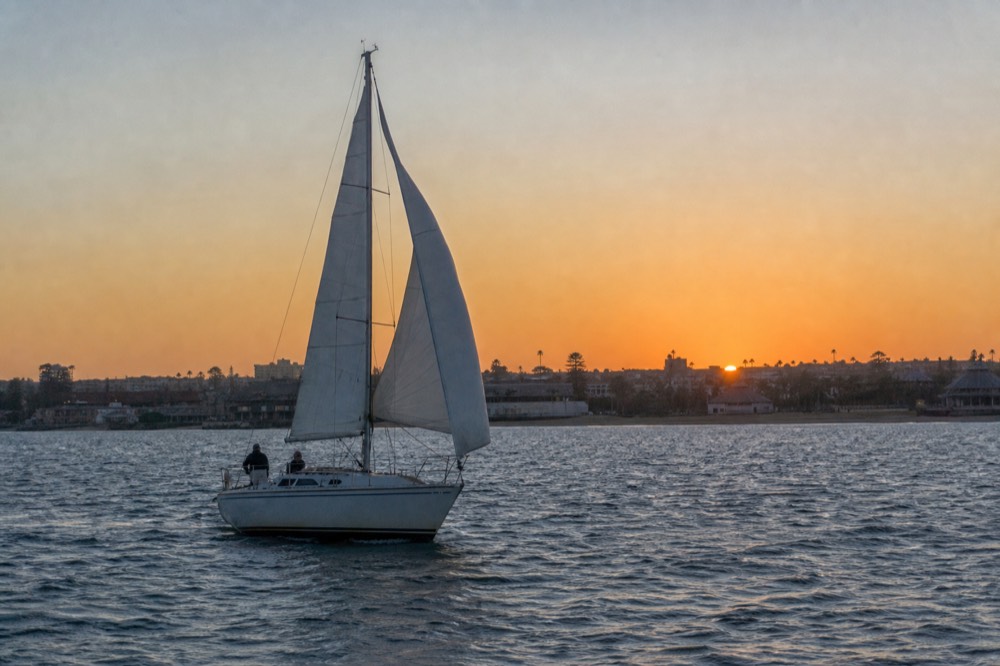
Gloves and a beanie sound absurd for San Diego in a brochure. On a January sail they are the difference between watching the sunset and retreating to the cabin. In summer, a windbreaker over a long sleeve is usually enough, but bring it even on a hot day, because the return leg happens in the dark.
What should you leave behind?
Leave behind personal alcohol, glass bottles, drones, bulky hard coolers, and anything you would be upset to lose to the water, including expensive loose jewelry, irreplaceable hats, and phones without a strap; the alcohol and drone rules are genuine regulations on this bay rather than operator fussiness, and the rest is simple probability, because items go overboard on every cruise, every week.
The alcohol rule is a real regulation, not a suggestion. Personal alcohol is typically not allowed onboard licensed passenger vessels, which operate under U.S. Coast Guard rules requiring a Certificate of Inspection for inspected vessels. San Diego's waters are actively patrolled, and Coast Guard enforcement in this harbor has cited vessels for credential and inspection violations. Buying your drink from the onboard bar is not a markup scam; it is the legal structure the boat operates under.
The naval facilities point is unique to this bay. San Diego Bay hosts active naval installations along its shoreline, visible from virtually every sunset route, and airspace around them is restricted. A drone that seems like the perfect sunset video tool can create a serious problem here. Leave it home, and if you want a record of the evening, a phone with a wrist strap does the job without airspace questions.
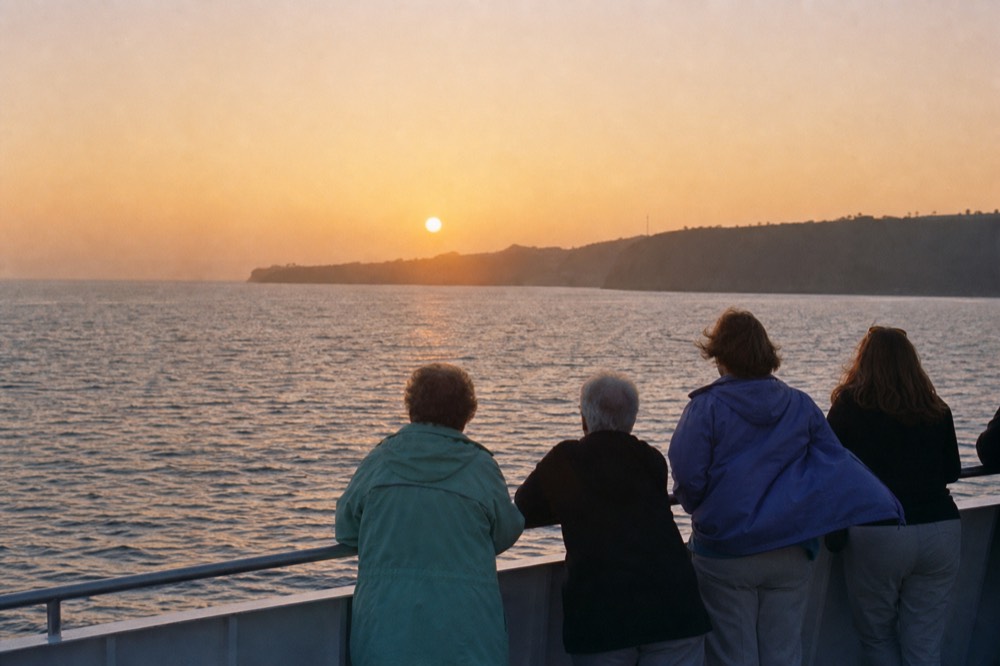
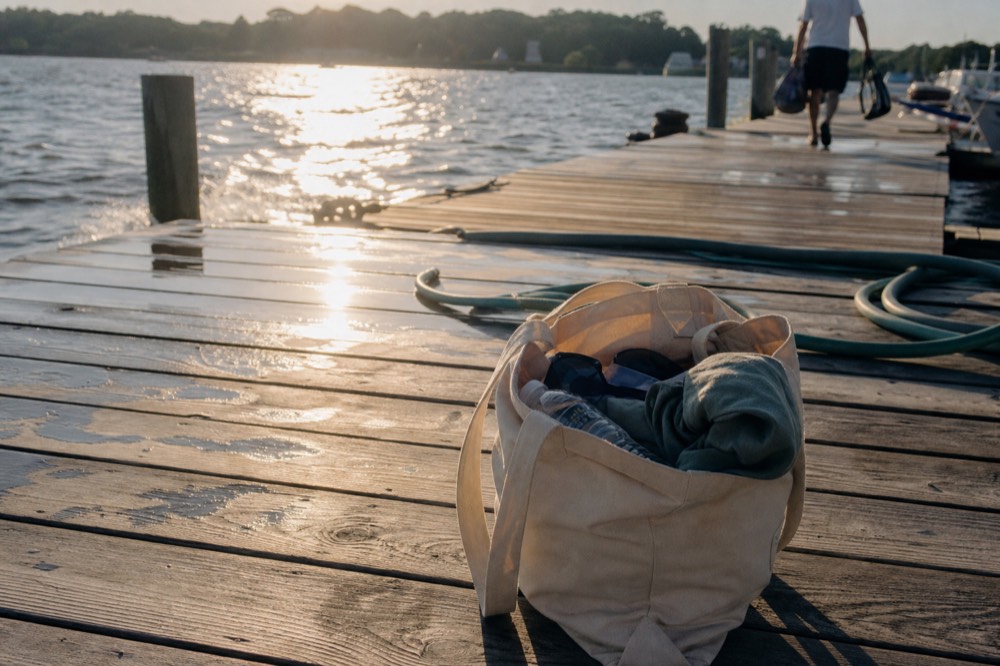
The rest is about the water itself. Things go overboard constantly, usually phones and hats. A phone with a wrist strap or a zippered pocket solves the most expensive version of this problem. If you are prone to dropping things, a cheap pair of sunglasses beats a designer pair on a boat, and a paperback beats an e-reader you cannot replace.
For the full picture of what a sunset sailing here actually delivers beyond the packing list, our article on whether sunset cruises are worth it works through the value question, and our guide to sunset cruises in San Diego compares the main options side by side. If your evening is a special occasion rather than a casual outing, the New Year's Eve Champagne Cruise runs 3 hours from $600 per person (checked September 2026) with a hosted open premium bar, welcome champagne, and a midnight toast, which changes the packing math entirely: dress for a party, bring nothing but ID.
That special-occasion case is the one exception to the minimalist packing instinct. Everything on this page is about a standard sunset sail, where the boat supplies the drinks and the bay supplies the cold. A premium holiday charter inverts it, and your only job is showing up dressed for midnight on the water in December, which is the coldest sailing scenario this harbor offers.
The short version of every packing answer below: layers and a windbreaker, grippy flat shoes, photo ID, sun protection for the glare, and nothing you cannot afford to lose to the bay, with personal alcohol and drones left firmly at home.
Common questions about what to take on a sunset cruise
What to take on a sunset cruise?
Layers with a windproof outer shell, flat grippy shoes, photo ID, sunscreen and sunglasses, a motion sickness remedy if you are prone, and a small hands-free bag. Leave personal alcohol, glass, and drones behind, since personal alcohol is typically not allowed on licensed vessels and the bay's naval facilities restrict drone use.
Do I need to bring my ID on a sunset cruise?
Yes. Operators require photo ID at check-in for boarding, and California law requires you to be 21 or older with valid ID for any onboard alcohol service, even when drinks are included in your fare.
Can I bring my own drinks on a sunset cruise?
Generally no. Personal alcohol is typically not allowed onboard licensed passenger vessels operating under U.S. Coast Guard rules. If your cruise does not include drinks, buy them from the onboard bar, and note that service may stop before docking.
How cold does a San Diego sunset cruise get?
Cold enough to matter. Land highs of 74-76F in summer do not carry onto the water, and after the sun sets behind Point Loma the combination of temperature drop and wind can make the return leg feel noticeably cooler than the dock at boarding. Bring a windbreaker even on a hot day.
Should I bring food on a sunset cruise?
Only if your cruise includes no food and the operator permits it. Many San Diego sunset sailings include drinks in the fare but no meal, so a light snack is reasonable; check the listing first, since glass containers are discouraged or banned on many vessels.
What kind of bag works best on a boat?
A small crossbody or day bag you can keep closed and close to your body, leaving your hands free for railings and photos. Avoid bulky hard coolers and open tote bags, and keep valuables in zippered pockets since items do go overboard regularly.