Is it better to go whale watching in the morning or afternoon in San Diego?
A timing answer for San Diego whale watching built on wind, light and the marine layer, plus how to pair a trip with an evening cruise the same day.
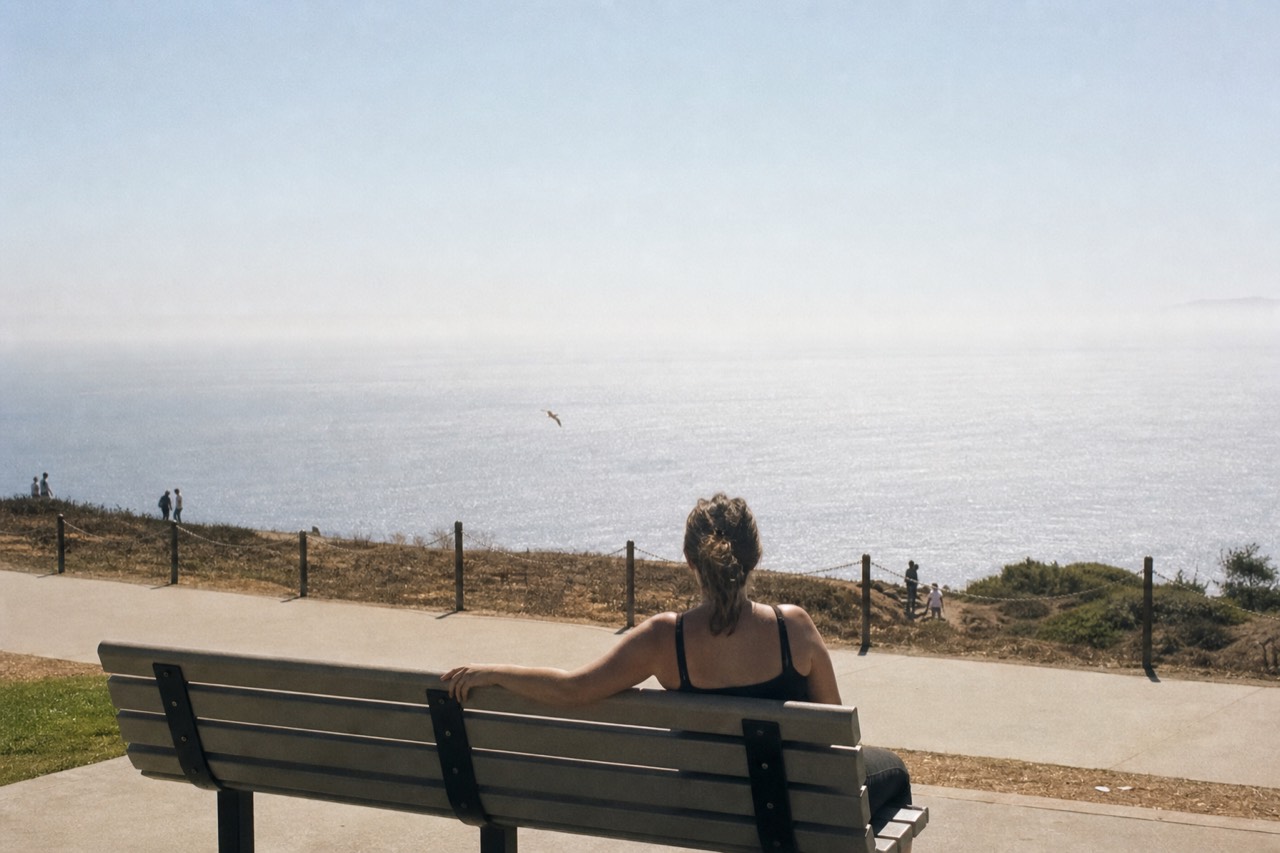
Is it better to go whale watching in the morning or afternoon in San Diego?
Neither slot is reliably better for seeing whales, but late morning through early afternoon usually offers the calmest water and the best light, because the marine layer that shrouds the coast at dawn has typically burned off by late morning, while the afternoon sea breeze has not yet fully built. The choice is really about conditions, not whale behaviour.
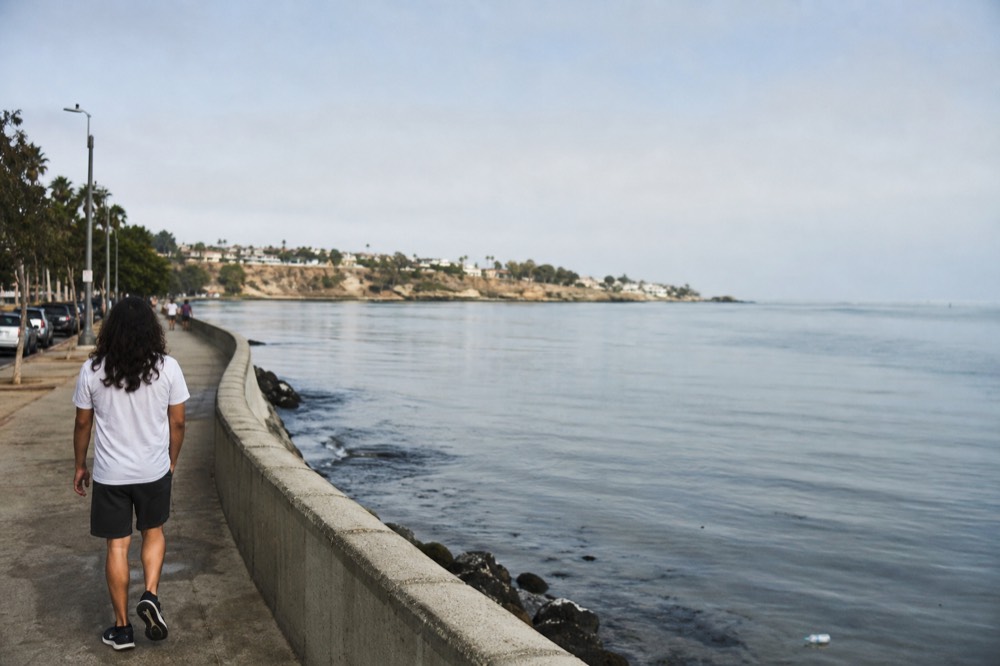
The most common answer you will read on a first page of search results is a confident claim that whales feed more in the morning, or that afternoon trips see more activity. None of the verified operator and climate material for San Diego supports a hard rule like that. Whales do not read departure schedules, and the same species moves through the same waters all day long. What actually changes between a 9 am and a 1 pm departure is the state of the sky, the wind and the surface of the water, and those three things change how easy it is to spot and enjoy whatever is out there.
San Diego sits on a coast with a well documented marine layer pattern. The gray blanket locals call May Gray and June Gloom is most persistent in May and June, and it typically burns off by late morning or early afternoon. An early morning trip in those months can mean flat white light and limited visibility, while a late morning departure often launches into clearing skies. That single fact does more to answer this question than any claim about whale appetites.
Wind is the second half of the answer. The California coast is breezy on the water in general, and the standard pattern is for wind to build through the afternoon as the land heats up. A rougher surface does not hide whales, but it makes blows and flukes harder to pick out at a distance, and it makes the ride less comfortable for anyone prone to seasickness. For a fuller picture of which months even have whales offshore, our guide to the San Diego whale watching season breaks down the calendar.
With all that said, the practical difference between morning and afternoon is modest, and price is often the deciding factor for travelers. If you are weighing the cost side, the breakdown in how much it costs to go whale watching in San Diego covers what you actually pay.
Why does the marine layer change the calculus?
The marine layer, a low cloud deck most stubborn in May and June, typically burns off by late morning or early afternoon, which means an early morning trip can launch into flat gray light while a late morning or midday trip often gets the clearing skies and the better visibility.
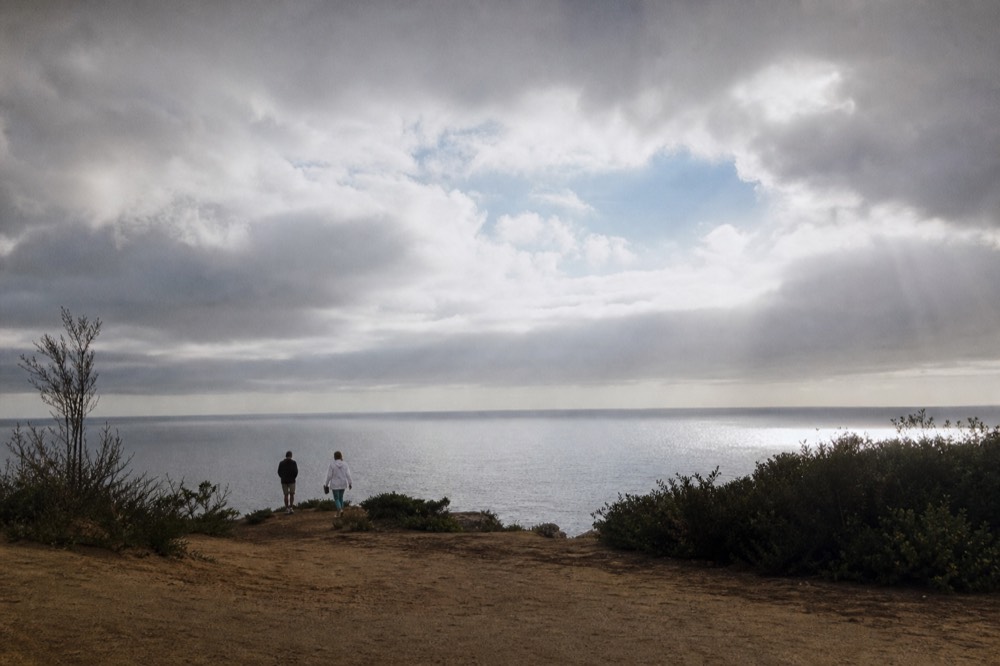
This is the piece of local knowledge that most generic whale watching articles miss entirely. San Diego's climate is shaped by a marine layer that rolls in off the Pacific overnight and sits on the coast at dawn. In the peak months for it, May and June, that deck can hang around well into the morning before the sun finally burns it away. If your whale watching trip departs at 9 am during those months, there is a real chance you spend the first hour under a white ceiling with muted light on the water.
Spotting whales is largely a game of seeing distant cues: a blow, a fluke, a patch of disturbed water, a cluster of seabirds feeding at the surface. Flat gray light flattens the ocean visually and kills the contrast that makes those cues pop. After the layer burns off, the angled light and the clearer air genuinely improve your odds of catching something at distance, and they certainly improve photography.
The flip side is that the marine layer is not a year round constant. Outside of May and June it is thinner and less reliable, and on many mornings the coast is simply clear from sunrise. In fall, Santa Ana wind events can sweep the air dramatically clear, which is when visibility over the water can be at its best of the entire year. So the rule is not "never book the morning." It is "in May and June, lean later; in fall, take whatever slot you like."
If the whale trip is only one half of your day, the question stops being purely about whales and becomes a scheduling problem. Can you fit a morning or midday trip on the water and still make an evening departure?
Does wind make the afternoon worse?
Yes, moderately. The standard coastal pattern is for wind to build through the afternoon as inland areas heat up, so afternoon trips tend to run on a choppier surface than morning ones, which affects comfort and spotting distance more than it affects whether whales are present.
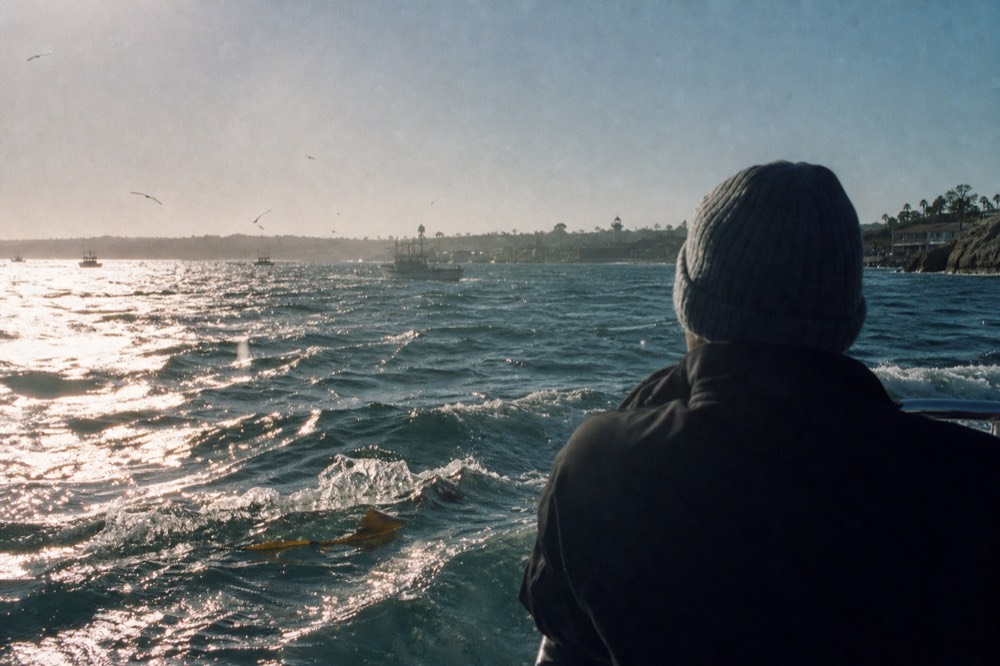
Wind on San Diego's waters follows the classic sea breeze mechanism. Land heats faster than the ocean, the temperature difference drives air onshore, and the breeze strengthens as the day goes on. By mid to late afternoon, the surface outside the bay can be chopped into short whitecaps. None of this deters whales, and plenty of afternoon trips see plenty of activity. But a choppy surface scatters light and breaks up the visual signature of a distant blow, so the effective spotting range of everyone on deck shrinks.
There is a comfort dimension too. If anyone in your group is prone to seasickness, a smoother morning surface is genuinely easier to handle than a wind-chopped afternoon one, and the same goes for families with small children. The trade is that morning air is colder, and the marine layer can make it feel damp. Layers solve the cold; nothing solves a rough surface except time.
It is worth saying plainly that this is a tendency, not a law. Plenty of afternoons stay glassy, especially outside summer, and plenty of mornings blow harder than expected. If you want a sense of whether the whole experience justifies the ticket price at any hour, the honest accounting in is San Diego whale watching worth it is the right companion read.
Here is how the two windows compare on the factors you can actually plan around:
| Factor | Early morning | Late morning to midday | Afternoon |
|---|---|---|---|
| Marine layer risk | Highest, especially May-June | Usually burning off or gone | Minimal |
| Wind and surface | Calmest of the day | Light and building slowly | Choppiest of the day |
| Light quality | Flat, gray if layer present | Bright, angled, good for spotting | Bright but glare can be strong |
| Comfort for queasy riders | Best surface, coldest air | Good balance | Rougher surface, warmest air |
| Crowds at check-in | Quieter | Moderate | Busiest |
Can you pair whale watching with an evening cruise the same day?
Yes, and this is where the timing question gets interesting: a late morning or midday whale trip ends with enough margin to make an evening departure on the bay, which lets you stack two very different water experiences, open ocean wildlife and a calm sunset sail, into a single day.
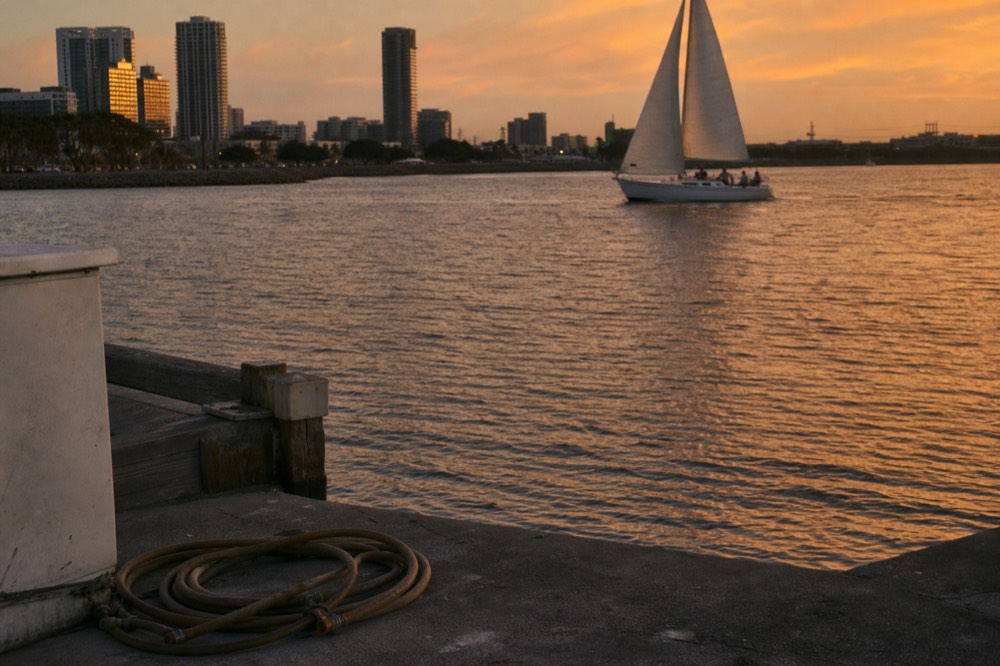
This is the angle most timing articles ignore. The whale watching decision does not happen in a vacuum; for many visitors it is one block in a full San Diego day. If you take a morning or midday whale trip off the coast, you are back at the dock by early or mid afternoon with the whole evening ahead of you. That sets up a natural doubleheader: wildlife offshore in daylight, then a relaxed sunset departure on the sheltered bay.
The bay itself is a different body of water from the open Pacific. San Diego Bay runs roughly 12 miles long and 1 to 3 miles wide, about 19 square miles of surface, and it is protected enough that the afternoon chop that bothers an ocean-going whale boat matters far less to a bay cruiser. Landmarks line the route: the Coronado Bridge, the USS Midway Museum, the downtown skyline, Point Loma and the Star of India all pass in review on a typical circuit. This kind of stacked day is exactly the sort of planning Dinner Cruises San Diego exists to help with.
One pairing worth considering is the Mission Bay Sunset Cruise, which runs 1 hour 15 minutes from $47 per person (checked September 2026), rated 4.4 across 308 reviews, with landing and facility fees and free parking covered. It departs from 1617 Quivira Road on Mission Bay, cancels free up to 24 hours in advance for a full refund, and it often sells out, which matters if you are trying to lock in the same evening as a whale trip. A sail of an hour and a quarter is also a gentle way to wind down after several hours on a livelier ocean vessel.
If you would rather end the day under sail than on a motor cruiser, the Bay Sunset Sailing Experience is a strong alternative. It runs 2 hours from $89 per person (checked September 2026), carries a 4.9 rating across 184 reviews, and includes white wine, soft drinks and water in the fare, with no meal. It departs from Harbor Island, with the exact slip confirmed at booking, and it also cancels free up to 24 hours before departure.
For a packing list that covers both halves of a day like this, from layers for the cold morning air to what actually fits in a day bag, our piece on what to take on a sunset cruise does the job. The short version: dress in layers, bring motion sickness remedies if anyone needs them, and keep the evening outfit simple. Operators in San Diego recommend business casual or upscale casual on dining and sunset vessels, with layers advised because it is breezy on the water.
How should you actually choose your departure time?
Pick the slot that matches your priorities: the earliest trips get the calmest surface and smallest crowds, late morning to midday trips get the best balance of clearing skies and manageable wind, and afternoon trips get the warmest air and best light for photography, at the cost of chop and bigger crowds.
Start with the season. In May and June, when the marine layer is most persistent, lean toward late morning or midday so you are not staring at a gray ceiling. In fall, when Santa Ana conditions can leave the air exceptionally clear, any departure time works and the visibility can be spectacular. In December and January, the skies are often at their clearest of the year, which is worth remembering if your trip doubles as a photography outing.
Then weigh your group. Sensitive stomachs favor the smoother morning surface. Kids and anyone who struggles with early starts favor the afternoon, and the warmer air is a genuine comfort in winter when daytime highs sit around a mild 65F. Photographers get the strongest light in the afternoon, though glare off the water can be brutal, and the golden hour on the way back in can redeem an otherwise harsh trip.
Finally, check what the day looks like before you commit. A quick look at the marine forecast for the San Diego coast tells you more than any generic morning-versus-afternoon claim ever will. If the forecast shows a clear dawn and light wind, take the early trip and enjoy the empty rail. If it shows a thick layer and building afternoon breeze, aim for the late morning window where both problems are at their smallest.
For travelers building the whole day rather than just the whale trip, the pairing logic is simple: book the whale watch for late morning, be back by mid afternoon, and reserve an evening departure on the bay. If a special occasion is the reason for the trip, the New Year's Eve Champagne Cruise runs 3 hours from $600 per person (checked September 2026) with a hosted open premium bar, welcome champagne, a midnight toast and tray-passed bites, though it carries no plated dinner and the dock is confirmed roughly 24 hours before departure.
The short answers: conditions, not whale schedules, decide the best time, late morning to midday is the safest default, and a whale trip plus an evening bay cruise fits comfortably into one day.
Common questions about whale watching timing in San Diego
Is it better to go whale watching in the morning or afternoon in San Diego?
Neither slot is reliably better for whale sightings. Late morning to midday usually offers the best combination of clearing skies and manageable wind, because the marine layer typically burns off by late morning while the afternoon sea breeze has not yet fully built.
Do whales come closer to shore at certain times of day?
There is no verified evidence that whales in San Diego waters follow a daily schedule tied to departure times. What changes through the day is light, wind and surface conditions, which affect how easily you can spot animals, not whether they are there.
Is the morning too cold for whale watching in San Diego?
Morning air on the water is the coldest of the day and can feel damp under the marine layer. Summer highs run roughly 74-76F and winter days around 65F, so dress in layers rather than avoiding the morning entirely.
Which months have the worst morning visibility?
May and June, when the marine layer locals call May Gray and June Gloom is most persistent. It typically burns off by late morning or early afternoon, so in those months a later departure often gets better conditions.
Can I do a whale watching trip and a sunset cruise on the same day?
Yes. A late morning or midday whale trip usually returns by mid afternoon, leaving enough time for an evening bay departure. The Mission Bay Sunset Cruise runs 1 hour 15 minutes from $47 per person (checked September 2026) and often sells out, so reserve ahead.
Is the afternoon ocean too rough for whale watching?
Usually not too rough, just choppier. The coastal breeze builds through the afternoon, which shortens the effective spotting distance and makes the ride less comfortable for queasy passengers, but plenty of afternoon trips see plenty of whales.