San Diego Whale Watching Season: A Month-by-Month Planning Calendar
Whale watching in San Diego is a year-round operation, but what you see, how far offshore you go, and how well the evening half of your day works all shift with the months. This calendar lays out what changes, and how to pair a daytime trip on the water with a dinner cruise the same evening.
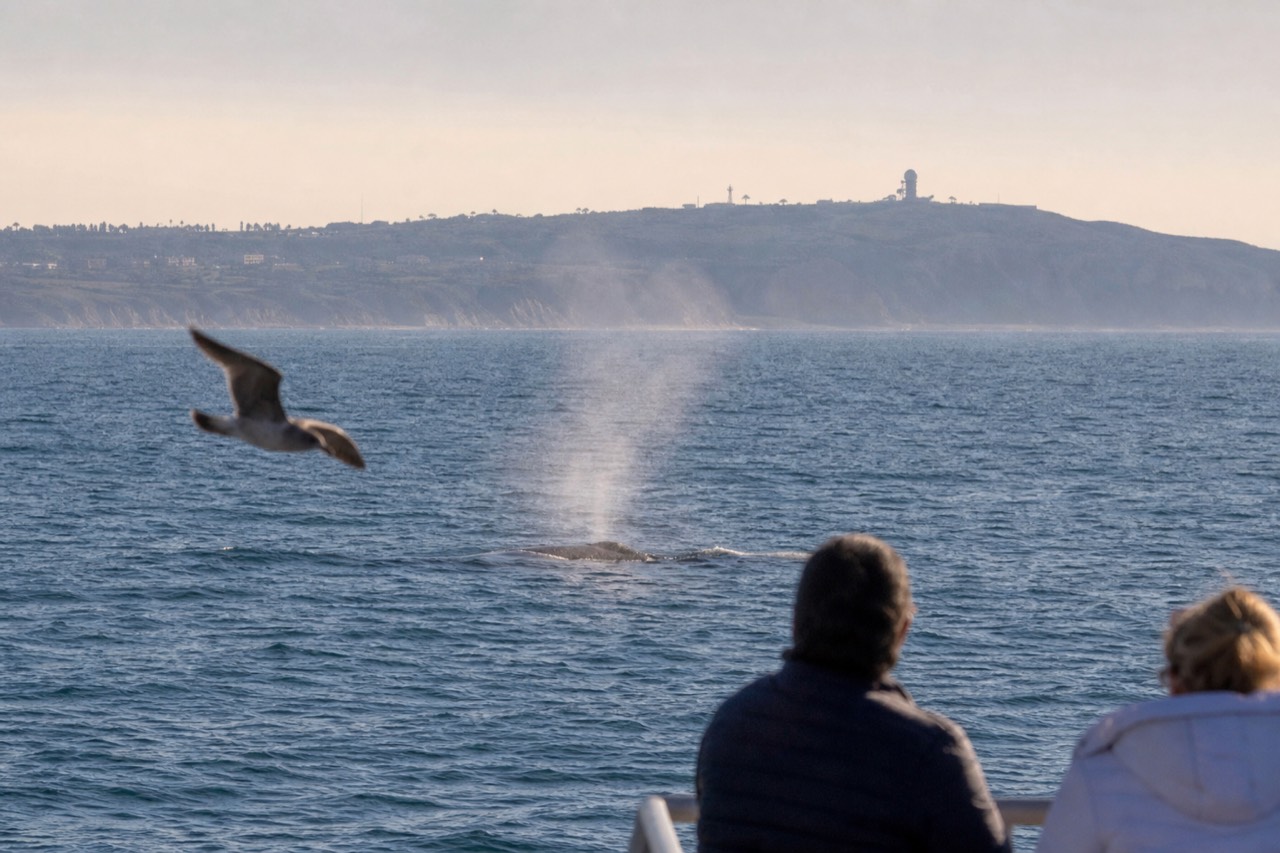
Short answer
San Diego whale watching trips run in every month, and conditions change more than the wildlife does: the marine layer is thickest May through June, fall Santa Ana winds clear the air, and December and January deliver the lowest, clearest sunsets. Dinner cruises run about 2.5 to 3 hours, so a daytime whale trip and an evening cruise stack easily on one day.
When is whale watching season in San Diego?
San Diego whale watching is a year-round activity: boats go out in every month, and the biggest seasonal differences are in weather, water conditions and visibility rather than in whether trips operate at all. The marine layer is most persistent in May and June, fall Santa Ana winds can scrub the air remarkably clean, and December and January offer the lowest sun angles and often the clearest evening skies of the year.
That framing matters because most first-time visitors ask the question as if there were a single open-and-closed season. There is not one in the way there is for, say, certain East Coast whale watching ports that shut down entirely in winter. Operators in San Diego run trips through the calendar, and the practical planning questions are different ones: how rough is the open ocean this month, how likely is morning fog to burn off before your departure time, and what will the evening look like if you want to stay on the water after the wildlife trip ends.
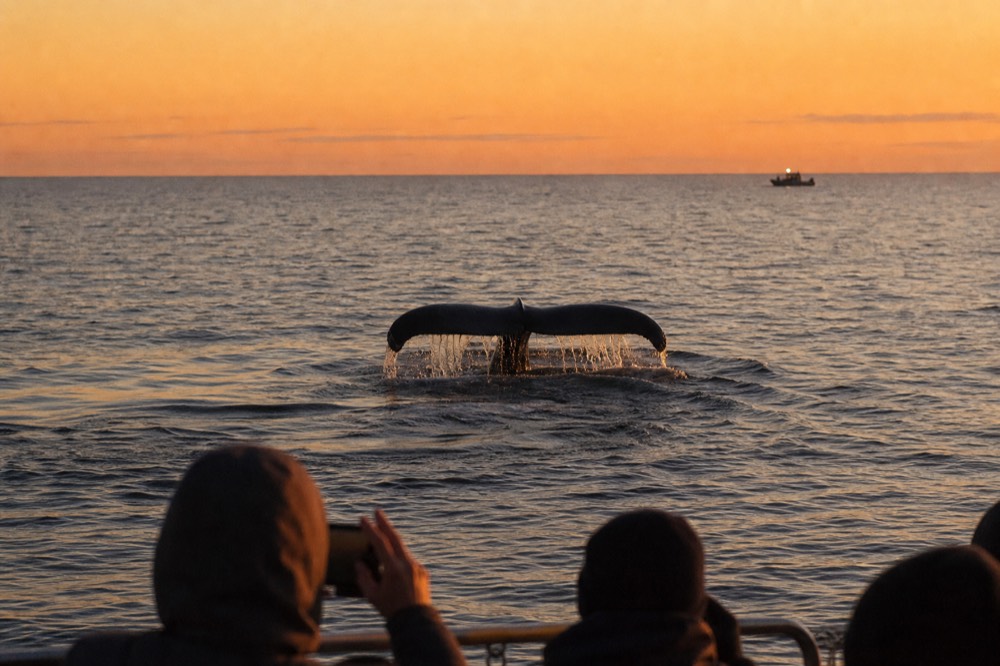
The other thing that changes by month is what the evening half of your day can look like. A winter whale day pairs naturally with an early dinner cruise because the sun sets early and the low December and January light over Point Loma is widely considered the best of the year. A summer whale day pairs better with a later sailing, because the marine layer that grayed out your morning ocean trip has usually burned off by late morning or early afternoon, leaving the bay clear and bright for the evening.
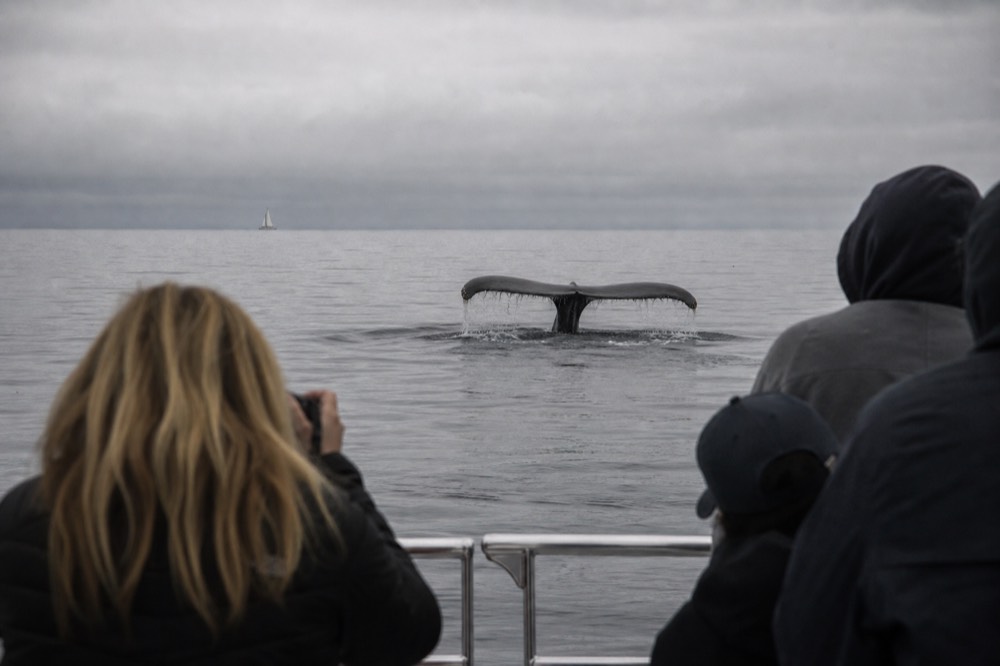
If you are weighing whether the trip itself justifies the cost and time, our longer look at that question, is San Diego whale watching worth it, walks through what the experience actually delivers. And if the price is the sticking point, the breakdown in what it costs to go whale watching in San Diego covers what you pay for and what you do not.
What is actually happening offshore, month by month?
The honest answer is that the wildlife calendar shifts year to year, and no fixed chart of which species appears in which month can be promised in advance. What can be planned reliably is the condition calendar: fog patterns, wind, water temperature, daylight hours and sunset quality all follow predictable rhythms, and those rhythms are what should drive which month you book and how you schedule the rest of your day.
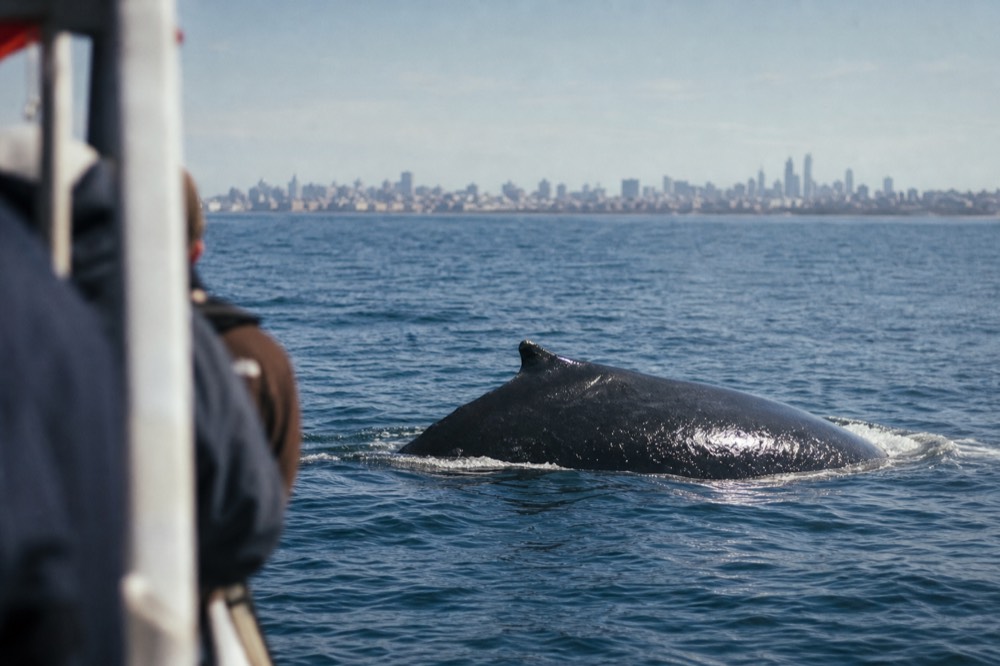
For whale watching, book a dedicated whale watching operator; this site covers the bay's dinner, brunch and sunset cruises, where whales are a rare bonus, not the itinerary. What we can do, from verified local climate and operator information, is give you the condition calendar that experienced San Diego planners actually use, and note where each month's conditions favor a same-day pairing with an evening cruise.
| Month | Morning conditions | Afternoon and evening | Best same-day pairing |
|---|---|---|---|
| January | Cool, often clear mornings | Early sunset, low sun angle over Point Loma | Early dinner cruise, on the water before dark |
| February | Mild, occasional rain systems between clear spells | Sunsets still early, air often crisp | Early plated dinner cruise |
| March | Warming, breezy afternoons possible | Longer daylight, clear evenings common | Standard 7 pm dinner cruise departure |
| April | Variable, spring wind picks up | Good light late in the day | Dinner cruise or sunset sail |
| May | Marine layer most persistent, gray mornings | Layer typically burns off by late morning or early afternoon | Later evening cruise after the gray lifts |
| June | "June Gloom" fog common, coolest beach mornings | Afternoons usually sunny on the bay | Dinner cruise with indoor seating |
| July | Morning layer possible, then bright | Warm evenings, highs around 74-76F | Sunset sail, then dinner ashore or onboard |
| August | Generally clear and warm | Warm, bright evenings | Any evening format works |
| September | Clear, warm, one of the most reliable months | Excellent evening conditions | Dinner cruise plus a bay sail |
| October | Santa Ana wind events can begin, clearing the air | Clearest, driest evenings of the year | Sunset sailing with drinks |
| November | Cooling, mostly calm | Early sunsets returning | Early dinner cruise |
| December | Cool, frequently clear | Lowest sun angle, best sunset months per local reporting | Holiday or Parade of Lights dinner cruise |
Two patterns in that table deserve emphasis because they run against visitor intuition. First, the foggiest months on the coast, May and June, are not the foggiest months on the bay in the evening: the marine layer characteristically burns off by late morning or early afternoon, so a gray whale trip morning often turns into a golden evening on the water. Second, the best sunset months in San Diego are winter ones, December and January, because the sun angle is lower and the skies are frequently clearer than in summer, according to local climate reporting. A winter whale day followed by a dinner cruise catches both halves of that at their best.
For the evening half of a day like this, three water options cover most travelers' needs:
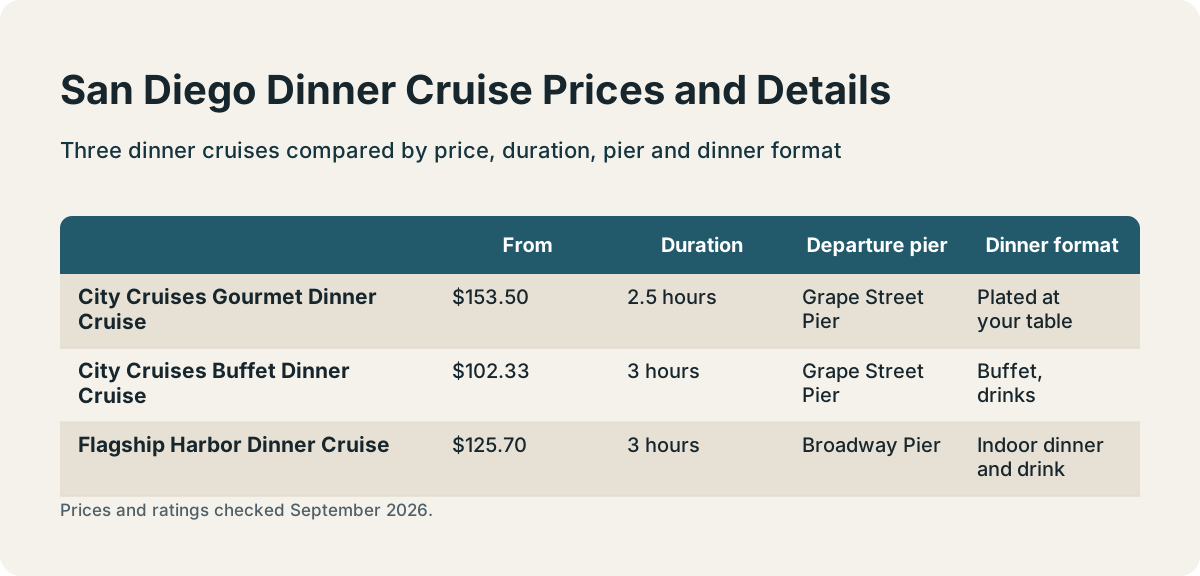
The plated City Cruises option suits a celebratory winter evening, the buffet version works well for families who want flexibility, and the New Year's Eve champagne cruise is the premium end of the calendar if your trip lands on that one night.
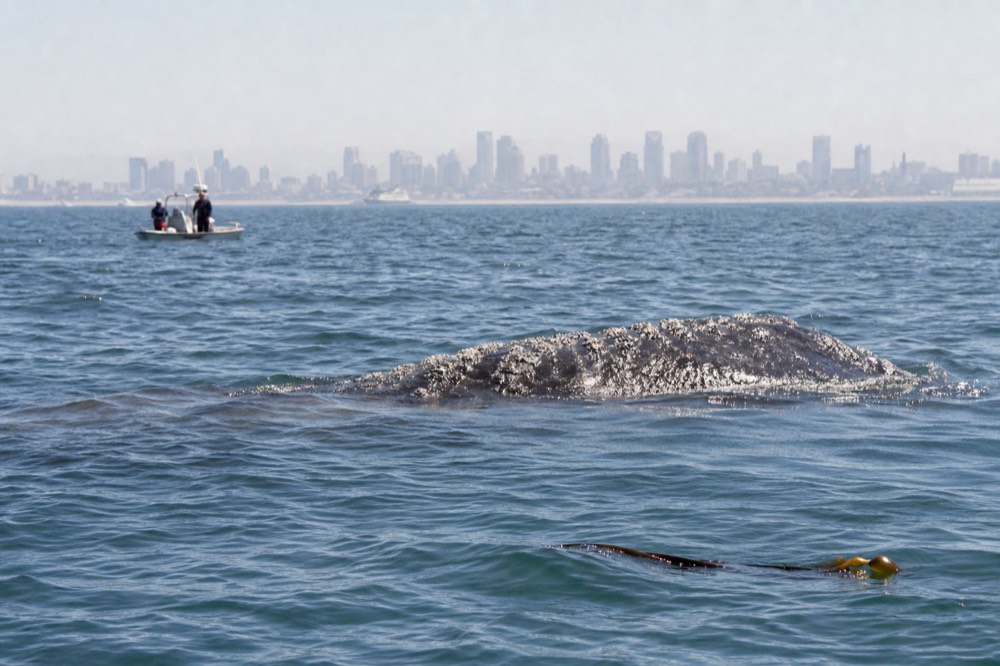
How do you stack a whale trip and an evening cruise on the same day?
It works because the two experiences occupy different halves of the clock: whale watching boats typically sail in the morning or midday, and San Diego dinner cruises run about 2.5 to 3 hours in the evening, leaving a comfortable gap for lunch, a waterfront walk and a wardrobe change. The one thing you must get right is geography, because whale trips and dinner cruises leave from different piers.
The typical dinner cruise duration in San Diego is 2.5 to 3 hours, with Flagship's dinner cruise running 3 hours and City Cruises gourmet dinner running 2.5 hours, buffet 3 hours (checked September 2026). That means a morning whale trip ending by early afternoon leaves four to six open hours before you need to be at a dinner cruise pier. That is not dead time: the USS Midway Museum, the downtown skyline and the Star of India all sit within sight of the main cruise departure points, and Seaport Village is a short walk from the Grape Street Pier area.
The stacking decision that matters most is which dinner cruise you pair with the day. If your whale trip was chilly and windy, an indoor-seated dinner cruise with a plated meal at your table is the right landing. If the day came back calm and golden, a sailing experience with included drinks lets you stay out in the open air a little longer before dinner.
Here is a sample same-day schedule built around a standard evening dinner cruise departure:
| Time | Activity | Notes |
|---|---|---|
| Early morning | Whale watching trip departure | Morning departures are the norm; check the operator's listing for exact times |
| Midday | Return to shore, late lunch downtown | Waterfront restaurants sit within a short drive of the cruise piers |
| Mid afternoon | Walk the Embarcadero or the USS Midway area | Landmarks are visible from the bay on the evening cruise |
| Late afternoon | Change, collect tickets, head to the pier | Operators recommend arriving 15-30 minutes early, plus parking time |
| Evening | Dinner cruise, 2.5 to 3 hours on the bay | Plated or buffet dinner, DJ music and dancing on most departures |
Arrival guidance from the operators is consistent: board 15 to 30 minutes before departure, and arrive earlier still to deal with parking and check-in, which includes showing photo ID and confirming your menu selection at the ticket booth on dining cruises. Skipping that buffer is the most common way a well-planned stack day goes wrong at the last step.
If you are still deciding whether the evening half is worth adding at all, is a dinner cruise worth the cost examines the value question directly, and our guide to what to wear on a dinner cruise covers the wardrobe side of a two-part water day.
Which evening cruise pairs best with a day on the ocean?
The Flagship Harbor Dinner Cruise is the strongest pairing for most whale days: it runs 3 hours from Broadway Pier, serves dinner indoors, which matters after a cold morning on open water, and includes a complimentary welcome drink, with an optional unlimited bar upgrade for an added fee. It often sells out, so book it before the whale trip, not after (checked September 2026).
The indoor seating point is not a small one. Whale watching boats are open to the weather by design, and even a mild San Diego morning leaves you wind-dried and salted. Flagship's dinner service is indoors, so you get the bay views through the windows while you warm up and eat, and the welcome drink lands well about seven hours after you last felt warm.
The comparison across the main dinner options:
| Cruise | From price per person | Rating | Duration | Departure pier | Dinner format |
|---|---|---|---|---|---|
| City Cruises Gourmet Dinner Cruise | $153.50 (checked September 2026) | 4.4, 208 reviews (checked September 2026) | 2.5 hours | Grape Street Pier, 1800 N Harbor Drive | Plated at your table |
| City Cruises Buffet Dinner Cruise | $102.33 (checked September 2026) | 4.4, 27 reviews (checked September 2026) | 3 hours | Grape Street Pier, 1800 N Harbor Drive | Buffet, non-alcoholic drinks included |
| Flagship Harbor Dinner Cruise | $125.70 (checked September 2026) | 4.1, 1322 reviews (checked September 2026) | 3 hours | Broadway Pier, 990 N Harbor Drive | Indoor dinner, welcome drink included |
All three offer cancellation flexibility: City Cruises and Flagship both allow a full refund if you cancel up to 24 hours before departure (checked September 2026). That policy is what makes the same-day stack low-risk: if the whale trip operator cancels your morning sailing for weather, you can still back out of the evening cruise without losing the fare, provided you are outside the 24-hour window.
For the plated option specifically, the City Cruises Gourmet Dinner Cruise serves dinner at your table with wine and cocktails available for purchase at the onboard bar, runs 2.5 hours from Grape Street Pier, and is rated 4.4 across 208 reviews (checked September 2026). It is the most formal of the three and the natural pick when the whale day was a celebration, an anniversary or a birthday rather than just a wildlife outing.
Where do whale trips and dinner cruises actually leave from?
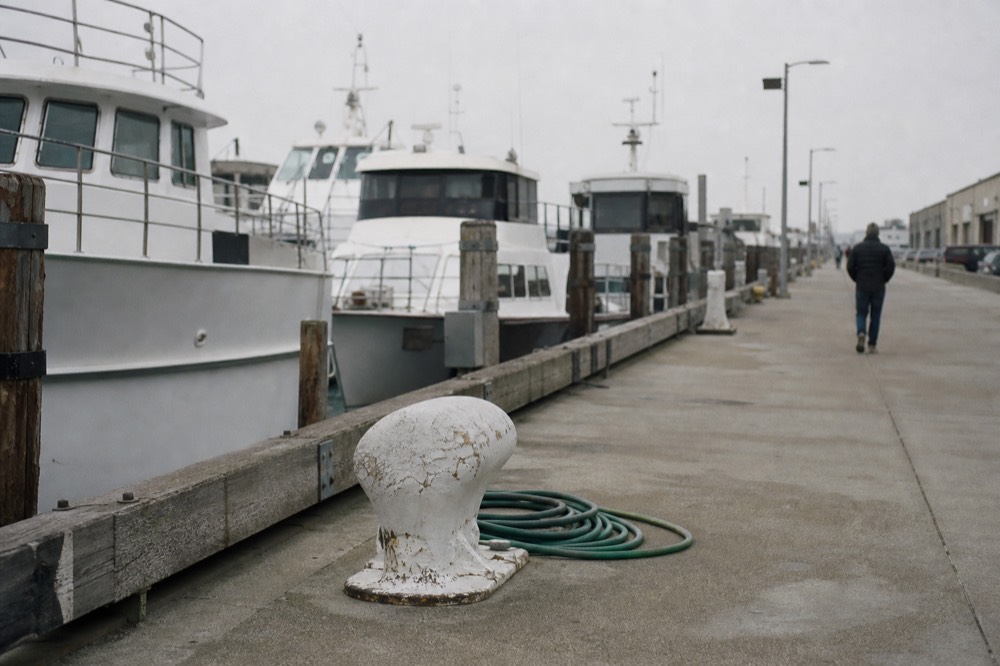
Whale watching and dinner cruises use different parts of the San Diego waterfront, and knowing the split saves your day: the two dedicated dinner cruise operators leave from Grape Street Pier at 1800 N Harbor Drive and Broadway Pier at 990 N Harbor Drive, while the Port of San Diego's B Street and Broadway terminals serve large ocean liners rather than dinner or whale boats.
That distinction trips up visitors who hear "cruise" and picture the same terminal for everything. The Port of San Diego's B Street and Broadway terminals handle the big ships (checked against portofsandiego.org), and dinner cruises use their own landings: City Cruises boards from the Grape Street Pier landing at 1800 N Harbor Drive, and Flagship boards from Broadway Pier at 990 N Harbor Drive. Whale watching operators use their own departure points, which you confirm on the live listing when you book, since they vary by operator and by trip.
Parking differs by pier, and this is where the schedule buffer goes. Near Broadway Pier, Flagship's own guidance points to metered street parking of up to 3 hours, free after 8 pm in some zones, plus public lots such as Ace Parking or the B Street Pier lot. Near Grape Street Pier, there are public pay lots and metered parking nearby, but no operator-owned lot, so on a busy summer or holiday evening the lots fill and the walk gets longer. Build in the extra fifteen minutes.
Once you are on the water, the bay itself is compact and readable. San Diego Bay runs roughly 12 miles long and 1 to 3 miles wide, covering about 19 square miles, and a dinner cruise route passes most of the signature landmarks: the Coronado Bridge, the USS Midway Museum, the downtown skyline, Point Loma, the Star of India, and Harbor and Shelter Islands, along with the naval facilities that line parts of the shore. Sunsets set over the western horizon toward the Point Loma area, which is why west-facing outdoor decks fill up first on clear evenings.
How does weather change the whale watching calendar?
Three weather patterns matter most: the May-June marine layer, known locally as May Gray and June Gloom, which typically burns off by late morning or early afternoon; the fall Santa Ana winds, which can clear the air dramatically; and the winter sun angle, which makes December and January the best months for sunset viewing. Summer highs run about 74-76F and winter days sit near 65F.
The marine layer is the one that surprises people. Book a morning whale trip in May or June and you may board into flat gray light with the coastline invisible. That does not mean the day is lost: the layer characteristically lifts by late morning or early afternoon, and by the time your evening cruise leaves the pier the bay is often clear. The planning move in those months is to not overreact to a gray 8 am, and to book the evening half with indoor seating as insurance.
October is the mirror image. Santa Ana wind events in fall can clear the air to a sharpness you do not get any other month, and local climate guides flag this as the time of year when the visibility from the water is at its best. The trade-off is that wind on the open ocean is a real factor for whale boats, so a blowy October morning can be rougher than a calm June one even though the air is cleaner. The evening bay cruise is sheltered by comparison, which is another argument for the stack.
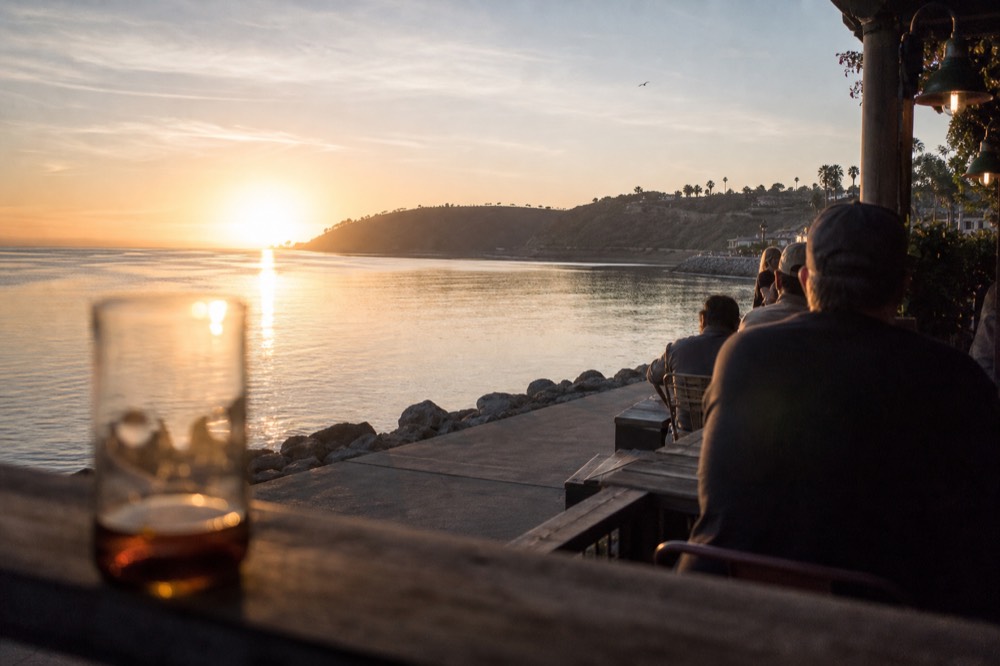
Winter deserves a special note for the stack planner. Early sunsets in December and January mean your whale trip ends in daylight and your dinner cruise can be on the water before full dark, catching the low-angle light over Point Loma that local reporting calls the year's best. December also brings the Parade of Lights to the bay, with holiday dinner cruises built around it, so a winter whale day can end with a decorated flotilla instead of just a sunset.
What should you wear and pack for a two-part water day?
Dress in layers and plan two outfits in one: a windproof outer layer for the open-ocean morning, shed to business casual or upscale casual for the evening cruise, where operators recommend collared shirts and slacks or dresses and some vessels discourage jeans, shorts and tank tops. There is no strict enforced dress code on the dinner cruises, but the norm on the water is smart casual.
The two halves of the day have genuinely different dress logic. A whale watching boat is open to the wind, and even at summer air temperatures of 74-76F the apparent temperature on a moving boat on open water is noticeably lower. A windbreaker over a long-sleeve base layer covers most mornings. The dinner cruise, by contrast, is an evening out: the common operator guidance is business casual to upscale casual, with layers again advised because the outer decks, where the best sunset views are, are breezy.
The short version for a stack day: wear the ocean layers in the morning, keep a collared shirt and a change of trousers in the car or the hotel, and use the mid-afternoon gap to reset.
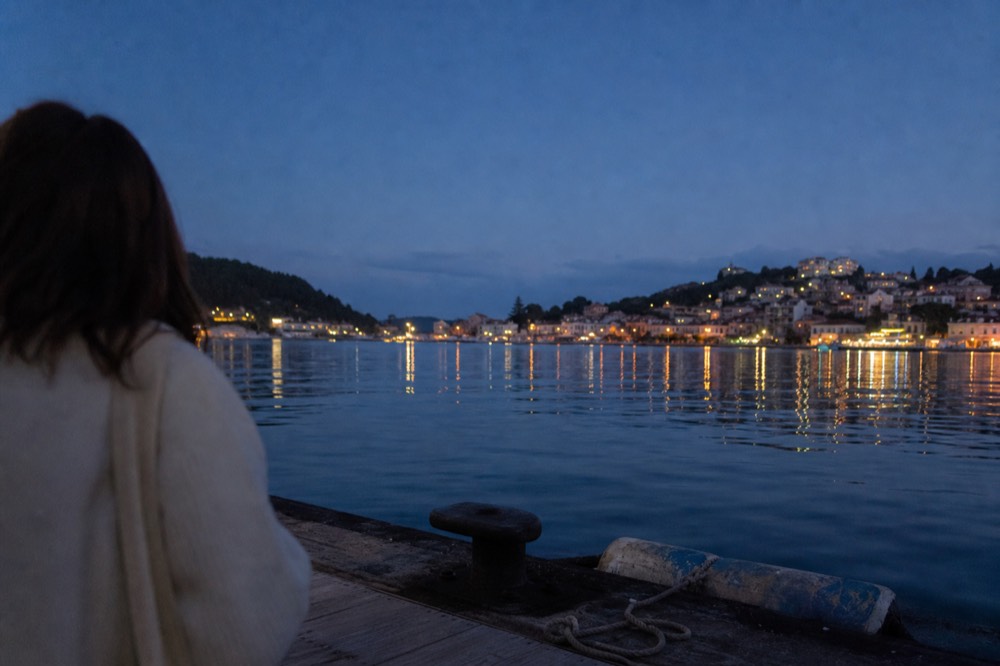
Alcohol policy is the other thing worth knowing before you board either boat. California law sets the drinking age at 21 with ID required, personal alcohol is typically not permitted onboard, and onboard service runs through a cash bar or drink package, with service sometimes stopping before docking. On the dinner cruises, the buffet option includes unlimited coffee, hot tea, iced tea and water with alcohol sold separately, while the sailing experiences include wine, beer and soft drinks in the fare itself. The Coast Guard regulates these passenger vessels and requires a Certificate of Inspection for inspected vessels, which is the enforcement mechanism behind the licensed-operator market.
Is a morning or afternoon whale trip better before a dinner cruise?
Morning is the better fit for a stack day, and not mainly for wildlife reasons: a morning whale trip returns you to shore by early afternoon with a comfortable buffer before an evening dinner cruise departure, while an afternoon trip can land you back at the pier with barely enough time to park, change and check in. The operators' boarding guidance, arriving 15 to 30 minutes early plus parking time, is what an afternoon return tends to break.
There is also a weather argument for the morning slot in the fog months. If the marine layer is going to burn off, it does so by late morning or early afternoon, which means a morning trip may sail in gray and an afternoon trip in sun. For the stack, that is actually fine in either direction: what you want is the evening clear, and the layer's typical burn-off schedule delivers that regardless of which whale departure you chose.
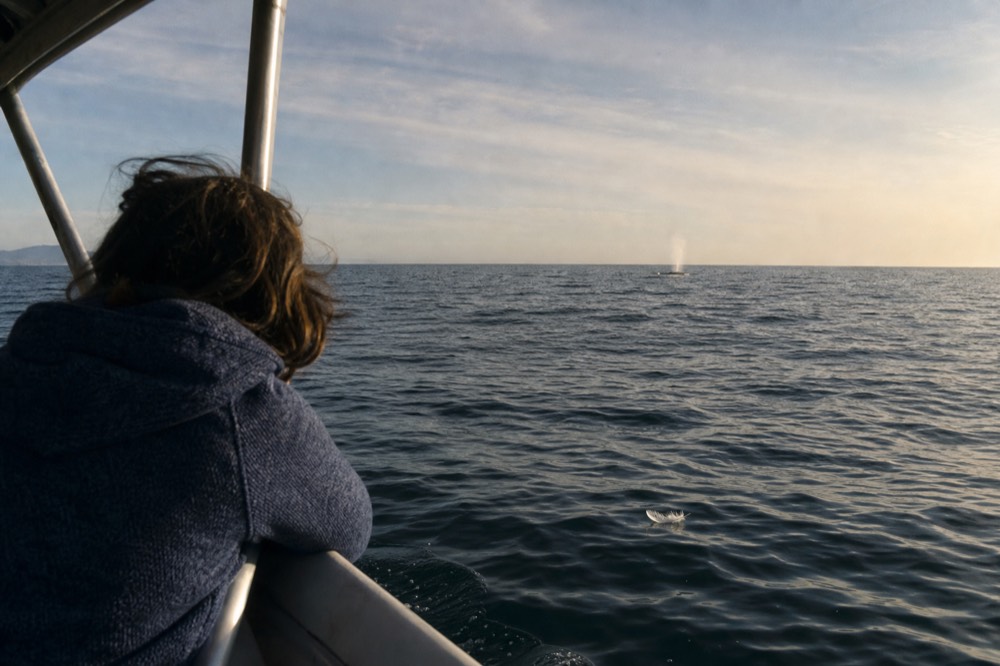
If your whale trip ends up on the late side and the dinner cruise feels like too much, the shorter evening formats are the fallback. A sunset sailing experience runs about 2 hours with white wine, soft drinks and water included from $89 per person, rated 4.9 across 184 reviews, and a drinks-included sailing excursion runs 2.5 hours from $119 per person, rated 5.0 across 79 reviews (checked September 2026). Both leave the bay from Harbor Island or confirmed meeting points, and both cancel free up to 24 hours before departure.
For travelers who want the full evening production rather than a sail, the Flagship dinner cruise covers the same window with indoor seating, a welcome drink and a 3-hour run from Broadway Pier, from $125.70 per person, rated 4.1 across 1322 reviews, and it often sells out (checked September 2026). Between the plated City Cruises dinner, the buffet dinner and the Flagship indoor option, most whale-day planners find their evening in one of those three.
One last planning note: the New Year's Eve champagne cruise, at $600 per person (checked September 2026) with a hosted open premium bar, welcome champagne, a midnight toast and tray-passed bites but no plated dinner, is the single most elaborate evening on the bay calendar, and it books out far ahead of the rest of the year. If your whale watching season trip lands on New Year's Eve itself, that is the evening half that matches it.
Whatever month you choose, the stack logic holds: book the whale trip first, book the evening cruise with free cancellation inside the same window, keep the piers straight, and let the condition calendar, not a fixed season, pick your dates. Dinner Cruises San Diego covers the evening half of that plan in detail across the rest of these guides.
San Diego whale watching runs year-round, and the questions planners actually ask are about timing, weather and pairing the trip with an evening on the bay: boats go out in every month, the marine layer is thickest in May and June, and dinner cruises run 2.5 to 3 hours, which makes a same-day stack straightforward.
Common questions about the San Diego whale watching season
When is whale watching season in San Diego?
Boats run in every month of the year, so there is no closed season. What changes by month is weather and visibility: the marine layer is thickest in May and June, fall Santa Ana winds bring the clearest air, and December and January deliver the lowest, cleanest sunsets.
Is a morning or afternoon whale trip better before a dinner cruise?
Morning fits a stack day better, because it returns you to shore with a comfortable buffer before an evening cruise departure. Operators recommend arriving 15 to 30 minutes early plus parking time, which a tight afternoon return tends to break.
How long is the average dinner cruise in San Diego?
Dinner cruises typically run 2.5 to 3 hours. Flagship's dinner sailing runs 3 hours, while City Cruises' gourmet dinner runs 2.5 hours (checked September 2026).
Can you cancel a dinner cruise if the whale trip is cancelled for weather?
Usually yes. The main dinner cruises allow a full refund if you cancel up to 24 hours before departure (checked September 2026), so if the whale operator cancels your morning sailing and you are outside that window, you can back out of the evening without losing the fare.
What should you wear for a whale trip and dinner cruise on the same day?
Layers for the morning, business casual for the evening. There is no strictly enforced dress code on the dinner cruises, but the norm is collared shirts and slacks or dresses, with some vessels discouraging jeans, shorts and tank tops, and a windproof layer for the open-ocean morning.
Where do dinner cruises in San Diego depart from?
City Cruises boards from Grape Street Pier at 1800 N Harbor Drive, and Flagship boards from Broadway Pier at 990 N Harbor Drive. The Port of San Diego's B Street and Broadway terminals serve large cruise ships, not dinner or whale watching boats.