Is San Diego whale watching worth it?
A month-aware verdict on San Diego whale watching: when the trip earns its price, when it does not, and what to do on the bay instead in the slow months.
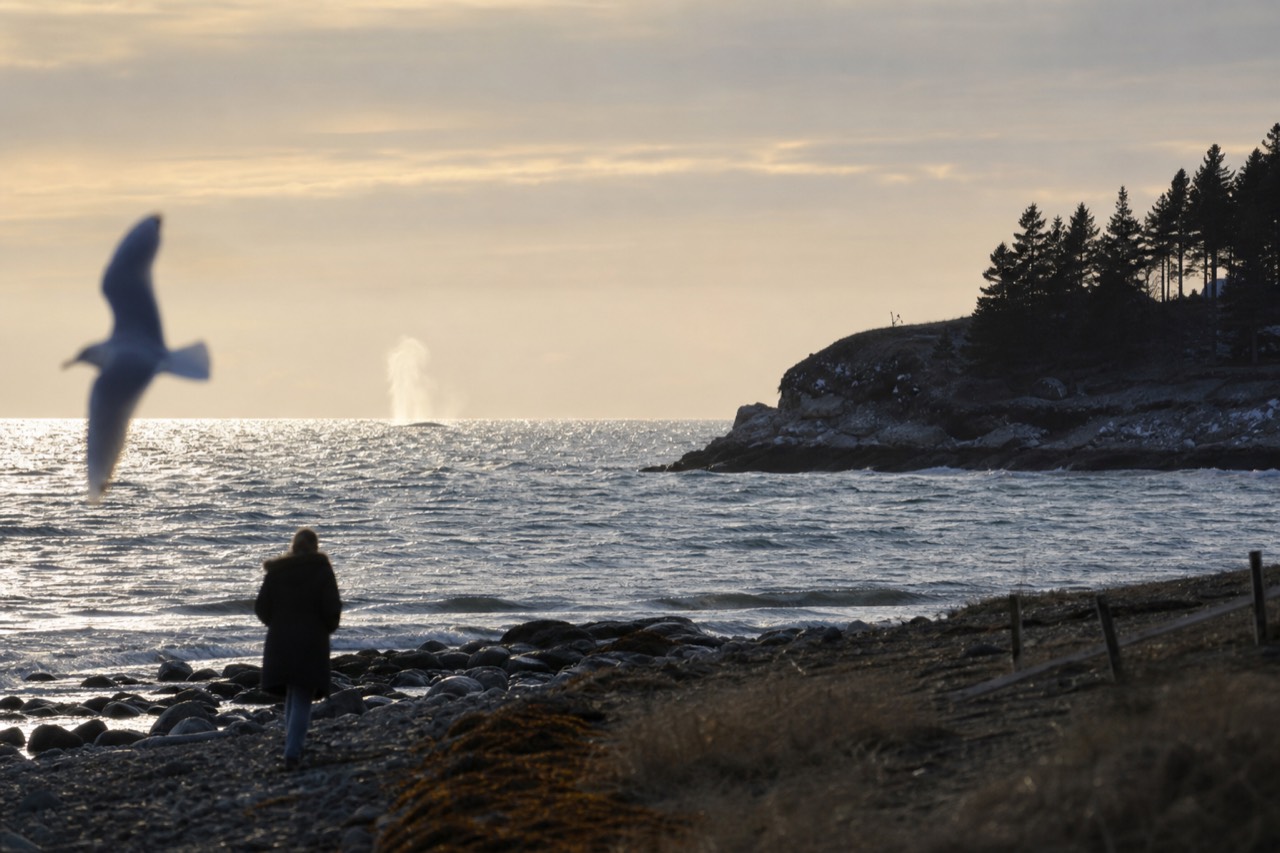
Is San Diego whale watching worth it?
Yes, in the months when the migrations are moving, and only then. San Diego sits directly on the Pacific migration corridor, so a winter or early-spring trip gives you a genuine chance of feeding whales, large pods and calm, cool-weather water. Book the same trip in late summer and you are paying full price for a longer shot list and warmer, hazier conditions. The worth is seasonal, not constant.
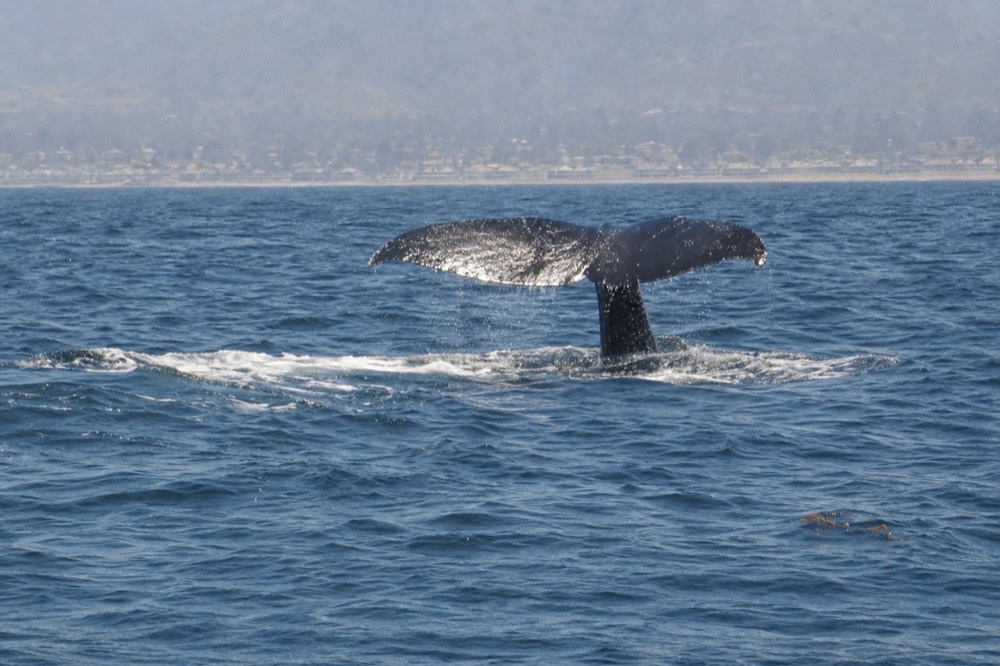
That verdict surprises people who assume a coastal city with this much marine traffic delivers whales year-round on demand. It does not work that way. Whales follow food and migration schedules, not tourist calendars, and San Diego's location at the mouth of a large natural bay means the animals pass through in waves rather than loitering offshore. The whale watching season guide breaks the calendar down in detail, but the short version is that the experience has clear peaks and clear valleys, and the price of the ticket usually does not move with them.
The other half of the worth question is what you actually get for the money. A whale watching trip in San Diego is a half-day commitment: transit out of the bay, time over the feeding or migration grounds, and transit back. The bay you cross on the way out is the same bay that dinner cruises, sailing excursions and harbor tours work every evening, and those trips cost less and guarantee their scenery. Plenty of visitors end up happiest splitting the difference, taking a wildlife trip in the strong months and a harbor or dinner cruise in the weak ones. If that second idea appeals, these are the three bay trips that pair best with a seasonal wildlife outing:
All three run from the downtown waterfront, so you can scout the departure piers during the day and be back on the water by evening without moving your car. That convenience matters more than it sounds. A morning whale watching departure followed by an evening on the bay makes for a long, satisfying day on the water without any of it feeling repetitive, because the offshore world and the sheltered harbor could not be more different in character.
When is whale watching in San Diego actually good?
The strong window is the cooler half of the year, when gray whales are migrating past Point Loma in numbers and the offshore water holds feeding whales. The weak window is late summer, when sightings thin out, the marine layer lingers and boats travel farther for the same odds. Book winter to mid-spring with confidence, and treat late-summer tickets as a coin flip with a long ride attached.
The reasoning is straightforward. Gray whales pass San Diego close to shore, which keeps trips short and sighting odds high while the migration is running. Outside that corridor the boats work harder for scattered sightings, and the trip becomes more about the offshore ride than reliable wildlife. Weather compounds the difference. The marine layer is most persistent in May and June, the pattern locals call May Gray and June Gloom, and it typically burns off by late morning or early afternoon, which is exactly when many whale watching departures are already miles offshore under flat gray light. Winter brings a lower sun angle and, on many days, clearer air; December and January are also the best months for sunset viewing in San Diego for the same reason.
Here is how the year breaks down in practical terms:
| Period | What to expect | Worth the ticket? |
|---|---|---|
| Winter through mid-spring | Migration corridor active near shore, cool clear days, shorter runs to the whales | Strong yes, book ahead |
| May and June | Persistent marine layer, gray mornings, thinner sightings | Only if you accept gray skies |
| July through August | Warmest water and best boat weather, but longest rides to scattered wildlife | Coin flip, bring patience |
| September through November | Transitional conditions, fall Santa Ana winds can clear the air | Depends heavily on the day |
The fall row deserves a note. Santa Ana wind events in autumn can scrub the marine layer out entirely and leave the water glassy and the visibility extraordinary. On those specific days an offshore trip is spectacular. The catch is that you cannot schedule a Santa Ana, so treat fall bookings as flexible and watch the forecast in the final days.
How does whale watching compare with a bay cruise for the money?
A whale watching trip buys a longer, rougher, open-ocean ride with a chance at large wildlife; a bay cruise buys a shorter, calmer, guaranteed-scenery trip at a lower price. If seeing a whale is the point, the wildlife trip wins. If the point is a pleasant few hours on the water, the bay cruise wins on value every month of the year.
This is the comparison most visitors do not think through until they are standing at the ticket booth. The two products share a harbor and little else. Bay cruises stay inside San Diego Bay, which runs roughly 12 miles long and 1 to 3 miles wide, so the water is sheltered, the route passes fixed landmarks like the Coronado Bridge, the USS Midway Museum and the Star of India, and nothing about the outcome is left to chance. The roster of bay trips is also broad and cheap at the entry level: the Flagship Harbor Cruise starts from $37 per person and rates 4.6 across 1451 reviews (checked September 2026), while the Best of the Bay Harbor Tour starts from $38.33 per person with a 4.6 rating across 419 reviews (checked September 2026). A whale watching ticket costs more than both and guarantees nothing but the ride.
The middle ground is where the value sits for most travelers. A dinner cruise gives you the sheltered bay, the landmark parade and a meal, at a price between the cheap harbor tour and a full offshore expedition. The City Cruises Gourmet Dinner Cruise, for example, runs 2.5 hours from Grape Street Pier with a plated dinner served at your table, from $153.50 per person (checked September 2026), and rates 4.4 across 208 reviews (checked September 2026). You will not see a whale from a dinner table, but you will see the downtown skyline at dusk with a guaranteed outcome, which is exactly what a late-summer day on the water calls for.
One structural point worth knowing: the large cruise terminals at B Street Pier and Broadway Pier are built for big ships, not for whale watching or dinner cruise departures, which leave from the smaller operator landings along North Harbor Drive. The Port of San Diego explains the terminal layout at portofsandiego.org. In practice this means your wildlife boat and your evening dinner boat likely depart within a mile of each other, and parking logistics are the same problem twice. Near Broadway Pier, metered street parking runs up to 3 hours and is free after 8pm in some zones, with public lots like the B Street Pier lot as backup; near Grape Street Pier you are looking at public pay lots and metered parking, since no operator owns a lot there.
What makes a whale watching trip feel worth it even on a slow day?
Managing expectations does most of the work. Trips that feel worthwhile are the ones where passengers treated the offshore ride, the seabirds, the dolphins and the coastline from the water as part of the product, with whales as the headline rather than the whole show. Trips that feel like a rip-off are usually the ones booked in a thin month by someone expecting a documentary.
The boats themselves are part of the experience. Vessels carrying passengers for hire in San Diego are regulated by the U.S. Coast Guard, which requires a Certificate of Inspection for inspected vessels, and Coast Guard inspections are a standing enforcement focus in this harbor. That is a genuinely reassuring fact for anyone nervous about stepping onto an offshore ride: the boat you board has been through a federal inspection regime, not just a company's own checklist. It also explains why you should book with established operators rather than informal charters, since illegal charters have been cited locally precisely for lacking those credentials.
Practical details move the needle too. Board 15 to 30 minutes before departure and arrive earlier still for parking and check-in, because check-in at the ticket booth includes menu or boarding confirmation on dining cruises and photo ID checks on wildlife trips. Bring layers regardless of the month: summer highs in San Diego sit around 74-76F on land, but offshore wind on a moving boat makes it feel dramatically cooler, and winter days around 65F on shore can be genuinely cold on the water. Alcohol policies are standard California rules, 21 and over with ID, and personal alcohol is typically not allowed onboard, so plan around the boat's own bar service. Accessibility is worth asking about directly: wheelchair access is limited on many vessels, with boarding ramps often manageable but stairs required for outer decks.
Is whale watching worth it compared with other San Diego water activities?
For a winter visitor with one morning to spend, yes, whale watching is arguably the single best use of a water day in San Diego. For a summer visitor, a sunset sail or dinner cruise delivers more guaranteed enjoyment per dollar, and the whale trip drops to a maybe. Match the product to the month and almost nothing on this list disappoints.
The sunset category deserves special mention for evening planners. The Bay Sunset Sailing Experience rates 4.9 across 184 reviews with wine, soft drinks and water included, from $89 per person (checked September 2026), and the Sunset Sailing Excursion with Drinks holds a 5 rating across 79 reviews from $119 per person (checked September 2026). Those numbers reflect a product with no whale-shaped uncertainty in it at all. The same logic applies to the dinner tier: the City Cruises Buffet Dinner Cruise runs 3 hours from Grape Street Pier with a buffet and unlimited coffee, tea and water, from $102.33 per person (checked September 2026), rating 4.4 across 27 reviews (checked September 2026). If you are still weighing whether a fixed-price evening on the water can feel worth it, the piece on whether dinner cruises are worth the cost works through the same question for the dining side.
There is also a timing question inside the wildlife category itself. Sightings and conditions differ across the day, and the write-up on morning versus afternoon whale watching covers which departure tends to serve you better, including how the marine layer interacts with your view of the animals. The short guidance: in the gray months, later departures give the fog time to lift; in the clear months, morning water is often calmer before the afternoon wind fills in.
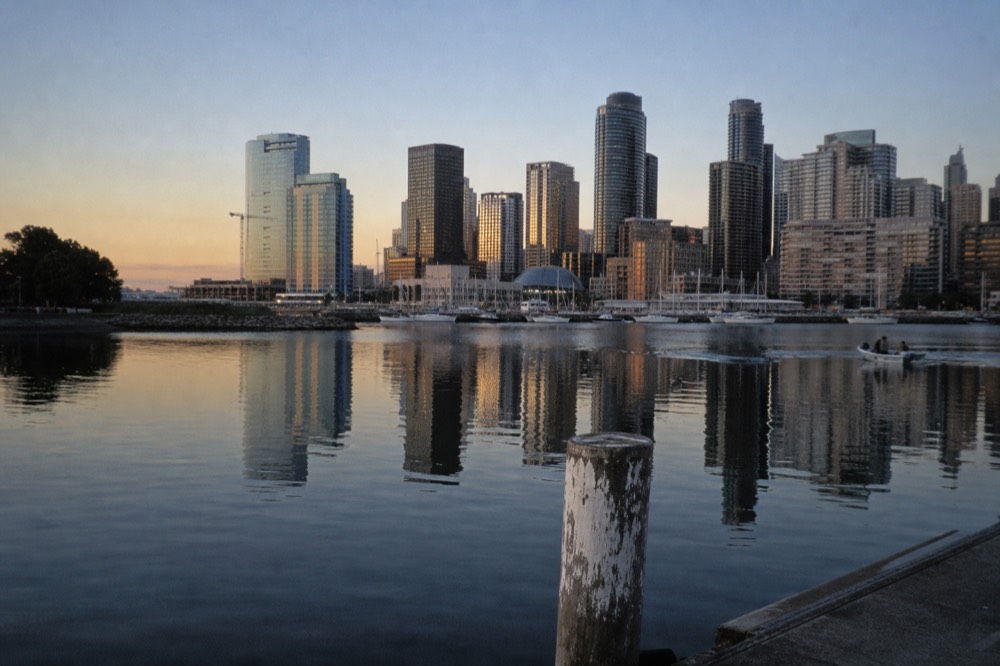
Whichever way you land on the wildlife question, the bay itself is the constant. Dinner Cruises San Diego covers the evening side of the harbor in depth, from plated gourmet sailings to holiday departures, so the slow whale months never have to mean a night off the water. The buffet dinner cruise is the family-friendly pick of that lineup, and it pairs naturally with a daytime wildlife booking in the strong season:
If your trip falls in the peak migration window, the smart play is simple: book the whale watching morning early, since strong-season departures fill first, then reserve a bay evening for the same day. In the off-peak window, flip the priority and let the guaranteed experiences carry the itinerary. Either way, these three departures cover the evening half of that plan:
The short answers below cover the month question, the price comparison and the practical details, so you can settle the worth question for your specific travel dates in about a minute.
Common questions about San Diego whale watching
Is San Diego whale watching worth it?
In the cooler months, when the migration corridor is active near shore, yes without hesitation. In late summer, the same ticket buys longer rides and thinner odds, so a bay cruise or dinner cruise usually delivers better value for the money in that window.
What is the best month for whale watching in San Diego?
The strongest window is winter through mid-spring, when gray whales migrate past Point Loma close to shore. May and June bring the persistent marine layer, and late summer thins the sightings while lengthening the ride.
Is whale watching better in the morning or afternoon in San Diego?
It depends on the season. In May and June, later departures give the marine layer time to burn off, typically by late morning or early afternoon. In clearer months, morning water is often calmer before afternoon wind builds.
How much does whale watching cost compared with a bay cruise?
Bay cruises are the cheaper product: harbor tours start from $37 to $38.33 per person (checked September 2026), while dinner cruises run from $102.33 to $153.50 per person depending on buffet or plated service (checked September 2026). Whale watching tickets generally cost more than a harbor tour and guarantee only the ride, not the animals.
Can you see whales from a San Diego dinner cruise?
Not reliably. Dinner cruises stay inside San Diego Bay, which is sheltered water about 12 miles long, while whales pass along the open coast outside the bay. Dinner cruises trade wildlife odds for guaranteed skyline and landmark views.
What should you bring on a whale watching trip in San Diego?
Layers regardless of season, photo ID for check-in, and sun protection. Board 15 to 30 minutes before departure and arrive earlier for parking. Personal alcohol is typically not allowed onboard, with California's 21-plus rules applying at the boat's own bar.